Last Updated on 3. October 2026 by SuffocationLink status: OK
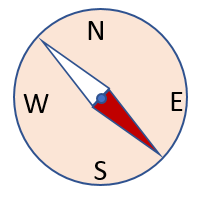
Ein elektronischer Kompass ermittelt ähnlich einem magnetischen Kompass die Nordrichtung. Die meisten elektronischen Kompasse machen dies nicht nur in X/Y Richtung, sondern auch dreidimensional in X/Z – Y/Z Richtung.
Applications
- Aircraft construction
- Drohnen und Ähnliches
- Navigation
- Car manufacturing
- Smartphones
- Satellites
How it works
Ein elektronischer Kompass wird auch Magnetometer genannt. Er basiert auf dem Hall effectLink status: OK. Trifft ein stromdurchflossener Leiter auf ein Magnetfeld, werden die Elektronen in ihm abgelenkt und es kommt zu einer Spannungsänderung. Diese Spannungsänderung kann gemessen und daraus wiederum das magnetische Feld ermittelt werden. Moderne elektronische Kompass-Sensoren sind aus dünnen Folien in einem IC Gehäuse aufgebaut, welche das Erdmagnetfeld wahrnehmen und messen können.
Related Posts
- NEO-6M GPS Logger Shield V1.0Link status: Unknown
- Zumo V1.2Link status: Unknown
- LilyGo T-BeamLink status: OK
- GY-NEO6MV2 GPS MODULELink status: OK
- VORSCHAU – ESP 32 Armband – LilyGo-T-WristbandLink status: OK
- Basics of AccelerometerLink status: OK
- Fundamentals of Electronic GyroscopesLink status: OK
- GY-273/HMC5883L – KompassmodulLink status: OK
Sources
https://de.wikipedia.org/wiki/MagnetometerLink status: OK
http://smartphone-star.de/magazin/digitaler-kompass-magnetometerLink status: Unknown
| Date | Change | Author |
|---|---|---|
| 03.10.2026 | Rechtschreibung korrigiert: Tippfehler, Kommas, Groß-/Kleinschreibung Log-Liste eingefügt | Suffocation |
| 08.06.2019 | Post created | Suffocation |
Hello,
Thanks for explaining the electronic compass. Just a note:
The underlying effect was discovered by Edwin Hall and is therefore also called the Hall effect.
Kind regards from Physy
Hello Hans,
Thank you very much for your contribution and your tip. I've corrected it.
Hello
Stefan