ESP8266 RTOS SDK

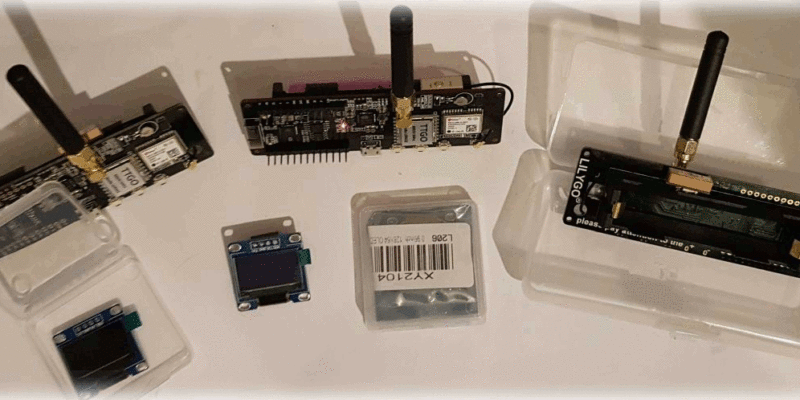
The RTOS SDK is Espressif's own programming environment for the ESP8266. Facts The Arduino SDK also encapsulates the functionalities of this SDK. Now one might ask why write specialised code for the ESP8266 by using the SDK directly. The answer is not entirely simple but here are a few arguments: The framework offers extended functionalities which...

Continue reading "ESP8266 RTOS SDK"

LoRa

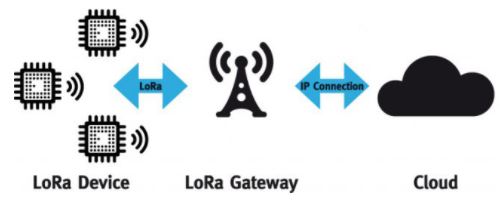
The Long Range Radio network is used to transmit small amounts of data over long distances with low energy. Distances of over 2 km – 40 km are supposedly possible, but in practice, especially with experimental nodes and small antennas, are not achievable. LoRa operates with three frequency bands. Designation for nodes Frequency (MHz) Region 433 433 – 434 …

Continue reading "LoRa"

Arduino Sensor Board V5.0 (Sensor Shield)

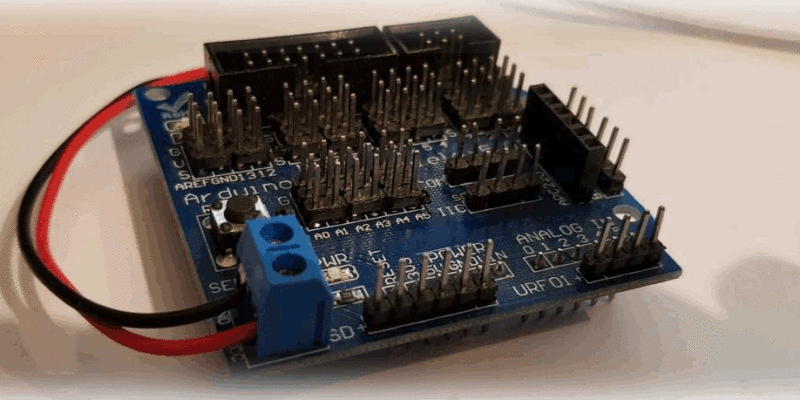
The sensor board is good for quick testing. It offers many connection points and even supplies power at the connection level. If the project requires more power, there is an option to power it with an external voltage source. Facts: 2 screw terminals for an external power supply, 13 GPIO pins brought out and with earth…

Continue reading "Arduino Sensor Platine V5.0 (Sensor Shield)"

TTGO LORA32 OLED V1

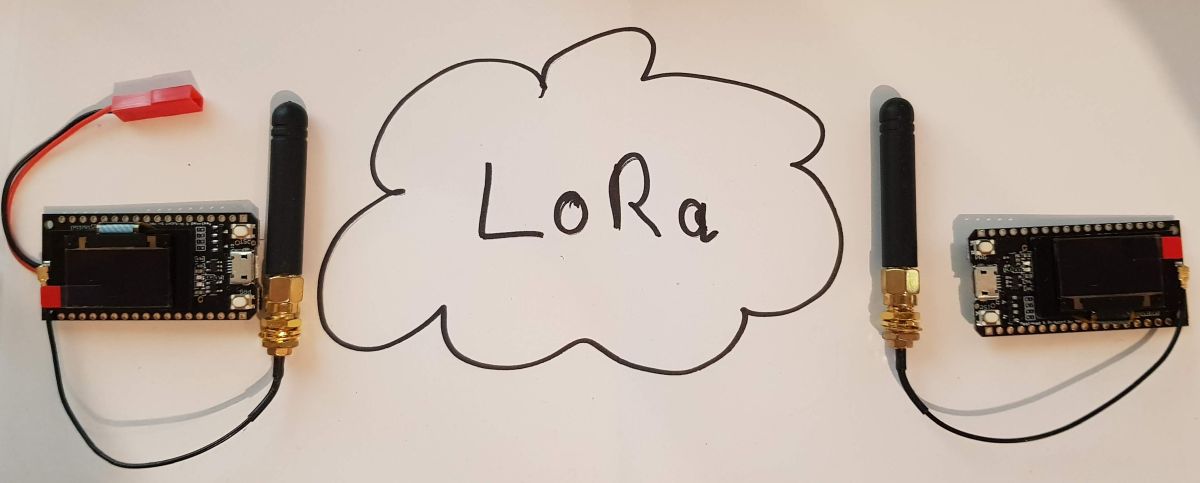
I bought these LoRa boards some time ago as a double pack and forgot about them in a drawer. With more and more reports about LoRa (Long Range Radio) appearing, I wanted to try it out as well. I have documented my attempts here. There is now a version 2 of the board. Version 2 also has…

Continue reading "TTGO LORA32 OLED V1"

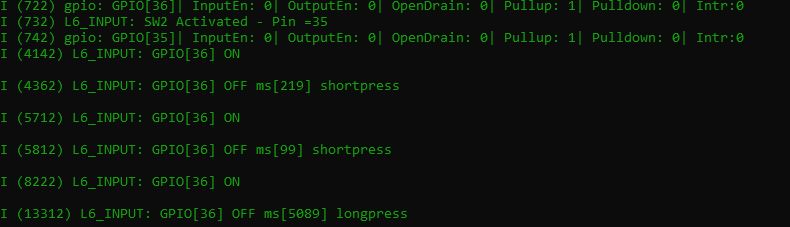
Espressif IDF – GPIOs

Most of the ESP32's GPIO pins, with a few exceptions, can be used as either inputs or outputs (see the relevant datasheet for more information). The following examples demonstrate how to control these digitally. In principle, when pins are configured as digital, they can take on the value 1=true or 0=false. Output Here's the blinking example with...

Continue reading "Espressif IDF – GPIOs"

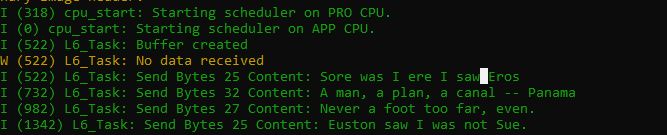
Espressif IDF – Tasks

A task is a (recurring) job for the processor. Multiple tasks compete for the CPU's attention. How these are created and which data structures are available for data transfer and synchronisation will be briefly outlined in this post. Tasks can become a very complex matter, which is why I can only scratch the surface here. Nevertheless…

Continue reading "Espressif IDF – Tasks"

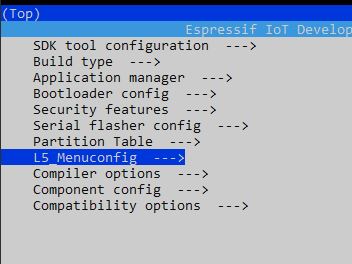
Espressif IDF – Menuconfig

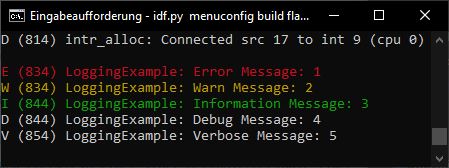
One of the nice achievements of the IDF is the menu-driven configuration. What I find even nicer is that custom configuration points can be created. These are then automatically integrated into the main menu. First off: the library „esp_system.h“ is needed in the source code, otherwise it won't work. After changes to the menu, run an idf.py clean. To create such a configuration point, take...

Continue reading "Espressif IDF – Menuconfig"

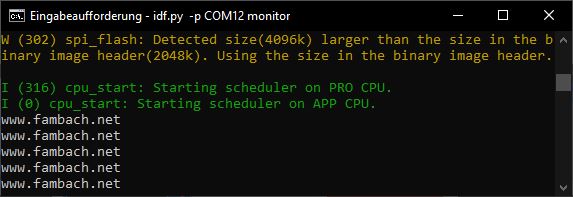
Espressif IDF – Timer

A popular example in the Arduino environment is Blink. This switches an LED on and off with a short pause. We will come to GPIO actions in the next chapter; we will deal with blinking here. In the Arduino environment too, it is always advised to avoid code interruptions with delay. There are some constructs there with...

Continue reading "Espressif IDF – Timer"